Wireless Car Chargers A Practical Guide to Choosing Fast and Reliable Charging on the Road
Car accessories
|
April 2, 2026
Navigation applications guide our routes, while music streaming services soundtrack our journeys. Among these advancements, wireless car chargers have emerged as a practical solution to a common problem: keeping devices powered on the go. These innovative chargers not only eliminate messy cables but also provide convenience and accessibility for the modern driver, enhancing the overall driving experience.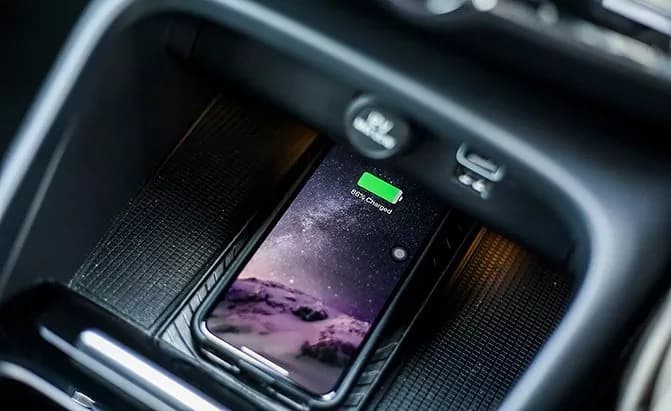
This guide will explore the essential features and functionalities of wireless car chargers available in the market. Expect an insightful comparison of diverse charger types alongside practical advice aimed at helping you select the optimal charging solution tailored to your preferences. From tech enthusiasts who value efficiency to everyday drivers looking to streamline their commutes, this guide empowers readers to navigate the world of wireless charging with confidence.
Different Types of Wireless Car Chargers and How They Perform in Real Use
Qi Wireless Charging Car Mounts
Qi wireless charging harnesses electromagnetic induction to facilitate energy transfer between the base and the device. This approach eradicates the need for traditional connectors. Testing these mounts in practical scenarios unveils several benefits, especially their broad compatibility across various smartphone brands, including both Apple and Android devices. Users can simply set their phones on the charging surface, leading to a straightforward and hassle-free experience. That said, some drawbacks were identified, particularly slower charging rates experienced under certain conditions such as using thicker cases or during high heat exposure, which can impede efficiency.
Magnetic Wireless Car Chargers
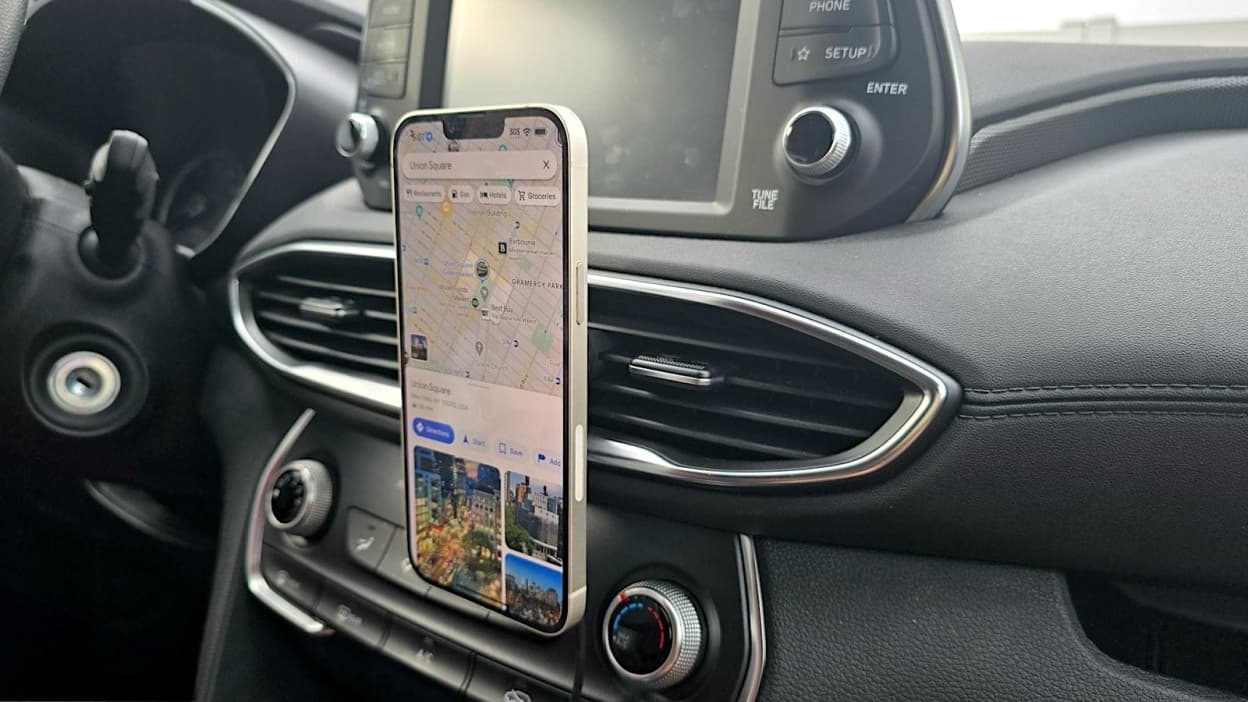
Magnetic wireless chargers employ a series of magnets to hold smartphones securely in place during charging. When a phone nears the charger, the magnetic force aligns the device for optimal power transfer. Users generally enjoy the stability that magnetic mounts provide throughout everyday driving, particularly over bumps. However, one drawback reported by some drivers is that removing the phone quickly can sometimes prove difficult, due to the strong grip of these chargers. Overall, magnetic wireless car chargers are frequently preferred by those seeking a straightforward charging experience without complications.
Auto-Clamping Wireless Charging Mounts
Auto-clamping charging mounts utilize a motorized mechanism that automatically secures the smartphone when placed in the holder. This innovative feature eliminates the inconvenience of manually adjusting the device, making these mounts especially user-friendly during hectic commutes. Real-world user feedback consistently indicates high satisfaction with the designs, which adapt to differing phone sizes for a snug and secure fit. The peace of mind provided, knowing that devices remain safely held during travel, is highly praised. Users have noted that these mounts effectively prevent dropped devices while driving, establishing them as a solid choice for technology-savvy individuals seeking convenience.
Dashboard vs Air Vent Wireless Chargers
When considering which wireless charger to choose, potential buyers must weigh their options between dashboard and air vent mounts based on installation ease, positional effectiveness for charging, and overall usability. Dashboard mounts typically provide a stable and visible charging option that encourages easy access for drivers; however, they may obscure visibility of the dashboard in certain vehicle models. Conversely, air vent chargers are praised for straightforward installation but can disrupt airflow from the vents, impacting climate control. Performance-wise, dashboard chargers often deliver superior stability and resistance to vibrations compared to air vent options, which may struggle to maintain a secure grip at higher speeds. Understanding these distinctions is key to selecting a charger that best fits personal driving habits and car configurations.
What Actually Defines a Good Wireless Car Charger
When selecting an effective wireless car charger, several critical features should take precedence to guarantee a smooth charging experience. First, charging speed is essential; seek models that facilitate fast charging to reduce downtime. Generally, look for chargers that offer a power output of at least 10W to expedite the charging process.
Additionally, heat management is crucial. An ideal charger will effectively dissipate heat, thereby preventing overheating that might damage both the device and the charger itself. Invest time in researching products made from high-quality materials like aluminum or durable plastics, as these not only enhance longevity but also aid in temperature regulation.
Compatibility is another aspect that cannot be ignored. A good wireless charger must work effortlessly with a variety of phone models, particularly those that support Qi charging. Beware that some chargers have limitations relating to phone sizes or cases, so ensuring compatibility will help secure a device that meets your charging needs while safeguarding your phone.
Common Mistakes Drivers Make When Choosing Wireless Charging Mounts
In the process of selecting a wireless charging mount, drivers frequently make several common errors that ultimately affect their charging experience. A major pitfall involves not confirming compatibility with their smartphone model. Many users mistakenly believe that all wireless chargers function universally. For instance, one unfortunate user found herself late to an appointment after purchasing a mount that failed to support her iPhone’s fast charging capability.
Another error relates to stability while driving. Often, drivers choose lower-cost options without realizing the importance of a strong grip on the device. A user’s experience sheds light on this: her phone slipped off the mount during a sharp turn, causing both inconvenience and a potential safety risk. Such real-life stories highlight the significance of tethering decisions to product reviews and compatibility assessments. To improve convenience and safety on the road, drivers should prioritize reliable selection processes when choosing wireless charging mounts.
Influence of Phones and Habits
When selecting the appropriate wireless charger for a vehicle, understanding the specifications of your phone is crucial. Variations in phone sizes can determine compatibility with different charger designs. For example, larger smartphones often necessitate chargers with adjustable arms or wider charging pads to ensure secure placement, while smaller models may work well with more compact alternatives.
Battery capacity is another decisive factor as it influences charging speed. Phones with larger batteries might require more time to charge; therefore, using high-output chargers capable of providing substantial wattage quickly becomes essential, particularly for short trips.
Driving behaviors also inform charger selection processes. For those frequently navigating congested city streets, where frequent stops interrupt charging, a high-powered charger is beneficial for delivering quick boosts during brief pauses. Conversely, highway drivers may prefer chargers that maintain consistent power over longer distances without frequent connectivity interruptions. By understanding these dynamics, users can identify chargers that best complement their devices and driving patterns, increasing convenience and ensuring accessible power while on the move.
Choosing the Right Wireless Charging Solution for Maximum Efficiency
Selecting the ideal wireless charger is vital for enhancing your driving experience. A suitable charger not only optimizes your ability to use navigation and music apps but also fosters safety by minimizing distractions. Assess your personal preferences, driving styles, and specific needs prior to making a selection. Key aspects to consider include phone compatibility, charging speed, and the charger’s placement within your vehicle.
Remember, an effective wireless charging setup should seamlessly integrate into your daily routine, providing both functionality and safety while you are on the road. By making informed selections, drivers can significantly elevate their overall on-the-go experiences.
Related Posts

How Car Air Fresheners Improve the Driving Experience

Top 10 Upcoming SUVs Everyone Is Waiting For in 2026 and Beyond
OBD2 Scanners Explained How To Diagnose Your Car Using Your Phone

Best Tire Inflators for Cars Portable Air Compressor Review Guide for 2026

Best New Cars for Daily Driving in 2026 Maximum Comfort, Minimum Fuel Costs